Three bilateral consultations on AgoraEU: for support that reaches rural areas and for stronger local media
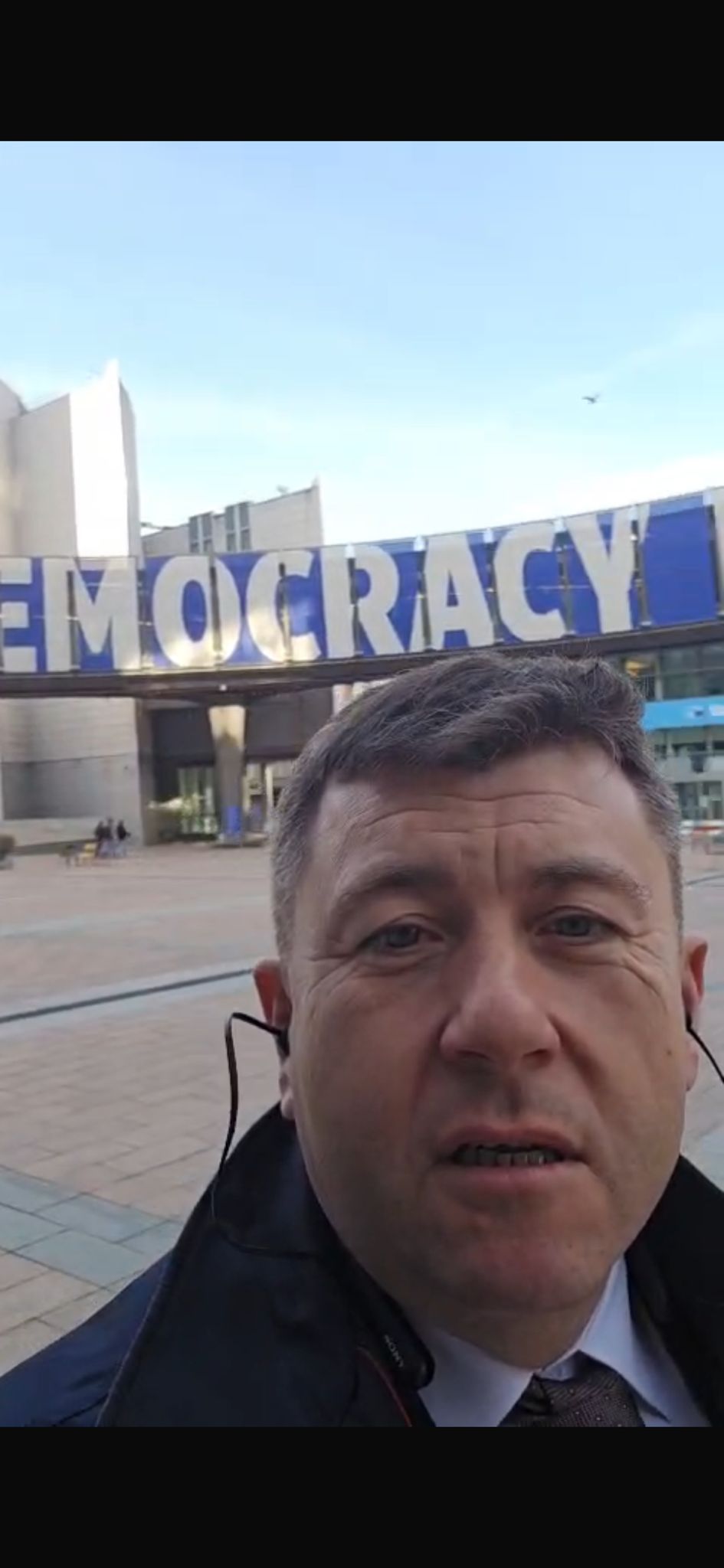
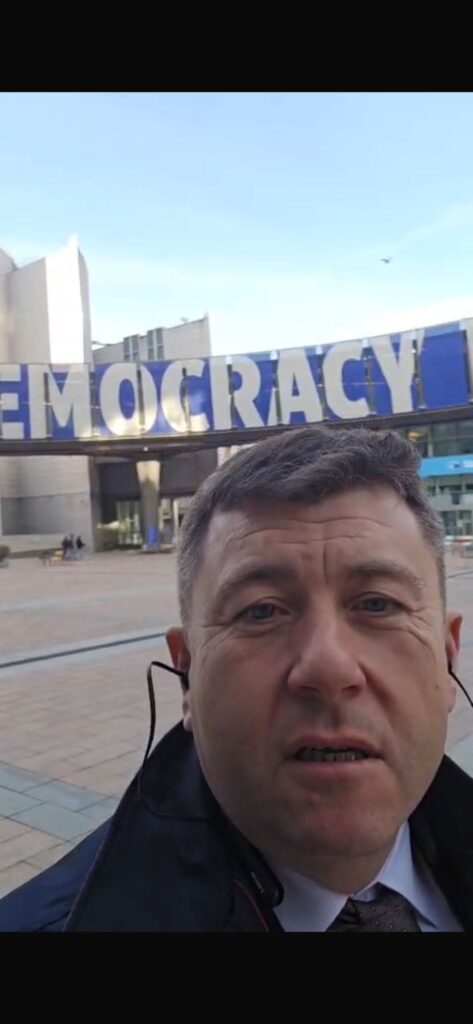
Today in Brussels, we worked through three leadership-level bilateral meetings to ensure that AgoraEU does not become a programme only for “the best organised actors,” but genuinely reaches smaller settlements, less developed regions, and local–regional cultural and media ecosystems. Throughout the discussions, territorial access and geographical balance were central considerations.
Why are these bilateral consultations important?
The purpose of the bilateral meetings is to back opinions and amendments on AgoraEU with concrete, implementable solutions—ones that can be translated into the programme’s operation (call design, access, funding logic, measurement). At DG EAC, for example, regional-level data collection was explicitly raised to ensure that outreach actually works in the regions.
Three tangible outcomes of today
1) Two-stage and cascading grants: more new entrants, lower administrative burden
At the DG EAC meeting, a clear message was articulated: two-stage grants are “more accessible,” and the ecosystem should be deliberately more welcoming for newcomers. The use of small grants in a cascading format was also explicitly discussed as a solution.
On the DG CNECT side, improving access through the concept of two-stage evaluation is already being substantively discussed.
This logic also aligns with our draft principle that the rollout of small and micro-actions requires capacity building and mentoring—especially where actors have previously been excluded due to high entry barriers.
2) Contact point / “desk” system: someone to help—and not only the centres
The second major step forward took shape around the contact point/desk solution. At DG EAC, the “desk/CP” issue was explicitly raised, including the idea that these should operate continuously, potentially also at regional level.
KEA confirmed that regional desks could be useful and that European capacities in the regions should be shared more effectively.
At DG CNECT, the contact point concept was clearly linked to the need for the programme to reach small organisations, newcomers, rural and less developed regions, with contact points playing a role in this.
Accordingly, our CoR draft states that introducing Local AgoraEU Contact Points is necessary to reduce the disproportionate burdens faced by smaller municipalities and grassroots organisations.
3) Local and regional press: stronger, more targeted presence in AgoraEU
The third outcome became particularly prominent in the DG CNECT consultation: according to the notes, the local and regional dimension is part of the interventions, with a clear targeted direction toward supporting small media organisations in “new ways” within AgoraEU.
In line with this, our CoR draft proposes that local and regional media production and the press—including print media and radio/television broadcasting—receive dedicated, proportional, earmarked support schemes.
This is decisive because in many areas local public spheres and media are not merely markets but community infrastructure: sources of information, cultural presence, and social cohesion.
 Territorial justice: not just a principle—measure and improve it
At the DG EAC meeting, a clear principle was established: the programme must include indicators on territorial participation and the geographical distribution of funding, so that its contribution to cohesion and multi-level governance can be assessed.
This idea is incorporated into the draft amendment: “The Programme shall include indicators on territorial participation and funding distribution…”
In addition, today’s discussions strongly focused on ensuring that eligibility and award procedures provide fair geographical balance and facilitate access for smaller actors through capacity building.
Next steps – what comes next (from 22 January 2026)
Today’s results will be taken forward in the CoR opinion and in the rapporteur’s amendments in three packages:
1. Two-stage and cascading grants – lowering entry barriers and involving new applicants.
2. Contact point/“desk” system (including at regional level) – tangible applicant support and territorial outreach.
3. Targeted support for local and regional media – strengthening small media outlets and local news ecosystems.
According to the draft, the upcoming procedural milestones are:
· 25 January 2026, 11:30 – online consultation open to all.
· Rapporteur’s amendments deadline (internal schedule): 27 January 2026.
· Adoption of the opinion in the CoR SEDEC commission scheduled for 2 February 2026. On that day, around 75 amendments (member and rapporteur) are expected to be voted on at the SEDEC meeting. The responsible Commissioner will be present: Glenn Micallef (Intergenerational Fairness, Youth, Culture and Sport).
· After SEDEC adoption, targeted consultations will begin with European Parliament rapporteurs to identify common positions and transferable solutions.
· Before the May plenary, there will still be an opportunity for amendments based on a further round of EP–Council–Commission consultations and member amendments.
· Plenary adoption is expected on 5–6 May 2026.
· As a stated objective, if everything progresses well, the first calls could be published in autumn 2027.
Brussels, 22 January 2026