The exceptional natural values of the Ciuc Basin have not survived on their own, but thanks to the centuries-old work of farmers, shepherds, foresters and local communities. The flower-rich hay meadows, pastures and traditional forms of land use are a living heritage that supports both biodiversity and the survival of rural life.
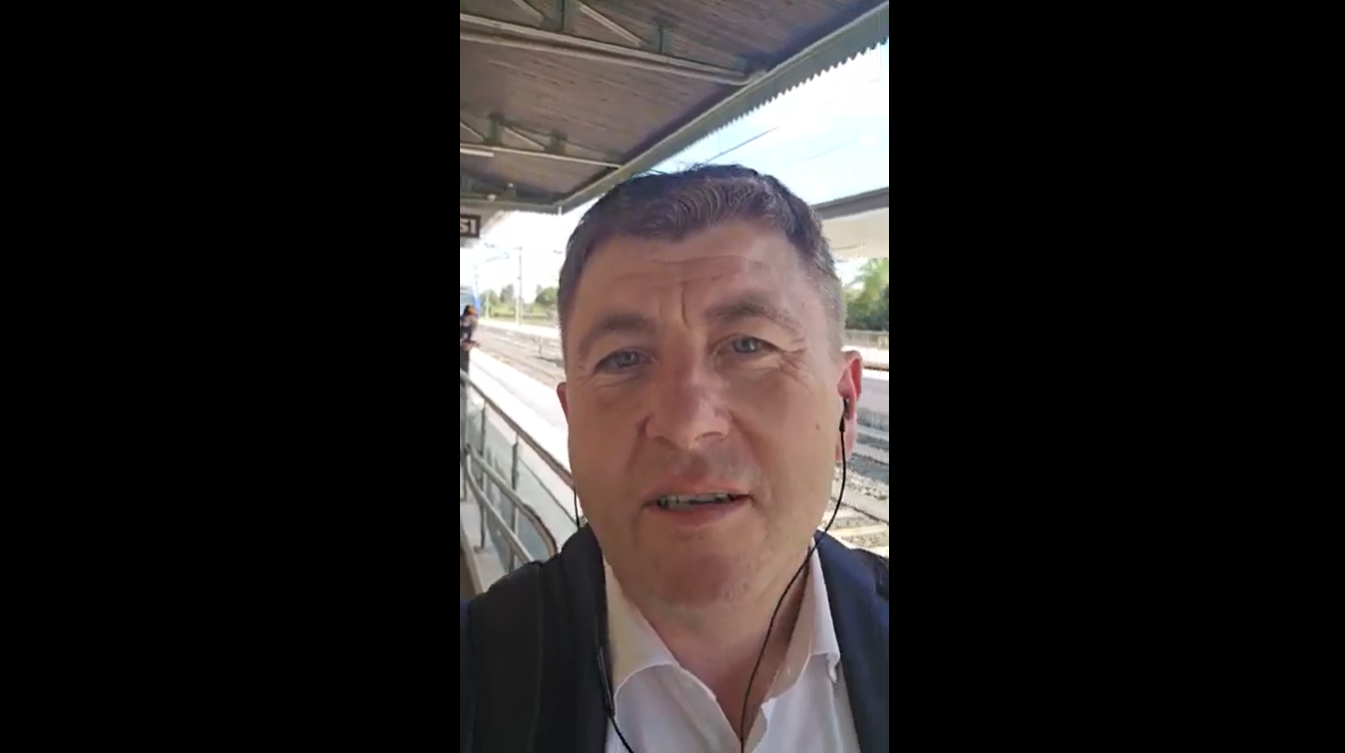
According to horticultural engineer János Ferdinánd, President of the Ribon Natur Cooperative, protecting nature is a shared responsibility, but it must not become a tool that makes life impossible for rural communities. As he puts it:
Nature must not be protected against rural people, but together with them.
In the Ciuc Basin and in several other areas, the tension between nature conservation goals, conflicts related to large carnivores, the safety of farming and the future of rural tourism is becoming increasingly visible. The everyday experience of farmers, livestock breeders and forest managers shows that a disturbed balance can endanger not only people’s quality of life, but, in the long term, biodiversity itself.
Mountain hayfields, pastures, traditional farms and shepherd culture have shaped for centuries the landscape that Europe now seeks to preserve as a natural value. However, if local communities cannot safely continue their everyday activities, then the foundations of maintaining this landscape will also weaken.
The values of our region — the Ciuc Basin, Egyeskő, Madarasi Harghita, Șumuleu Ciuc and a way of life close to nature — are not only local treasures, but assets of European significance. Preserving them is a common interest, but this requires a form of nature protection that listens to rural people, takes farmers’ experience into account, and creates a balance between people, nature and the future of communities.
The message is clear: nature protection is not an ideological issue, but a condition for life. The goal is not to push people out of nature, but to ensure that people and nature can continue to exist together.