European Capital of Culture 2031: Spanish Pre-selection Concluded
Madrid, 13 March 2026
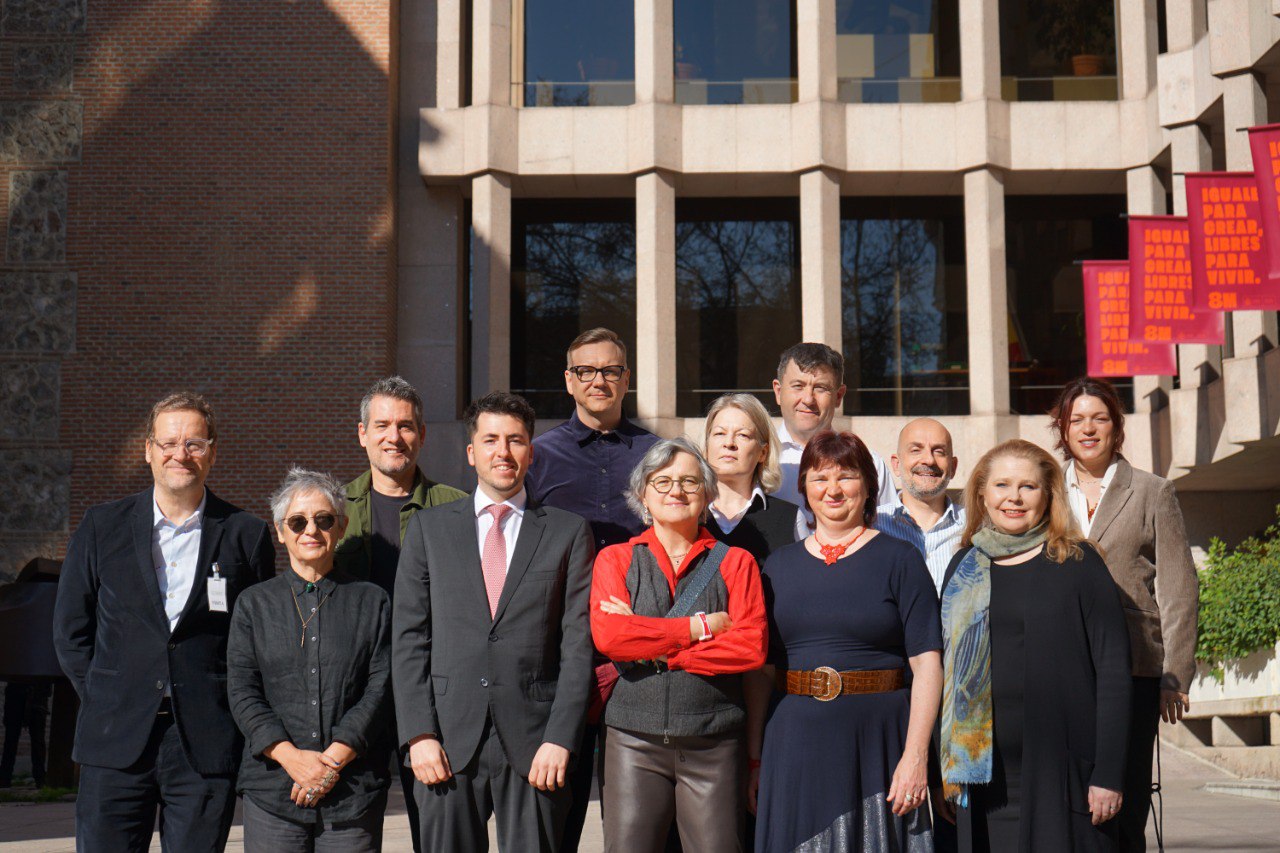
The Spanish pre-selection phase for the European Capital of Culture (ECoC) 2031 has concluded. Following five days of work, the European expert panel — which includes Csaba Borboly, Vice-President of Harghita County Council and representative of the European Committee of the Regions — selected four cities for the final round from among nine candidate cities.
Why is this important for us?
Membership in the ECoC expert panel is not a ceremonial role. It involves five days of intensive work, from 8:30 a.m. to 7:30 p.m., during which the panel listens to presentations from each candidate city, asks questions, and evaluates the bids based on six European criteria: long-term strategy, cultural and artistic content, European dimension, social participation, governance, and feasibility. Participation in the panel is fully financed by the European Commission.
What can we bring home from this?
Future-oriented planning.
Applicant cities plan years ahead. They do not organize a one-off event but build cultural strategies that shape the local economy, education, infrastructure, and community life alike. This is not a dream — it is a proven practice across Europe.
Good solutions.
As members of the panel, we evaluate applications from several countries every year. This provides direct insight into how other European regions address similar challenges: depopulation, youth migration, economic peripherality, and the lack of cultural infrastructure. These are precisely the issues we also face.
The culture of wellbeing.
ECoC is not merely a cultural festival. The strongest bids treat culture as a tool for social wellbeing — from community building and health awareness to dialogue between generations. Culture is not decoration; it is part of everyday quality of life.
European networks.
Panel work creates direct connections with experts, decision-makers, and cultural organizations from other regions. These relationships are not theoretical — they lead to concrete knowledge exchange, experience sharing, and cooperation opportunities.
Why should we make use of this opportunity?
Many European regions face challenges similar to those of Székelyföld (Szeklerland). The difference lies not in the problems themselves, but in how communities respond to them. Regions that build from the bottom up — involving universities, civil society organizations, young people, and entrepreneurs — can develop strategies over time that lead to real change.
This does not come from Brussels. It is local work enriched with European knowledge. And the opportunity is there — we need to make use of it.
About the mandate
Csaba Borboly was appointed to the ECoC expert panel in 2025 by the European Committee of the Regions for the period 2025–2027. The mandate covers the selection and monitoring processes of the 2020–2033 ECoC cycle. Panel membership is the only moment when experts are allowed to speak publicly about the work — at the time of the official announcement of results.
The European Commission will publish the official communication on the detailed results of the Spanish pre-selection and the cities that advanced to the next round.
Madrid, 13 March 2026