Energy Independence for Our Communities Starts Today, Not in 2036
From Arnhem, the Netherlands, I am working today so that young people in our region have jobs, a future and real energy freedom at home.
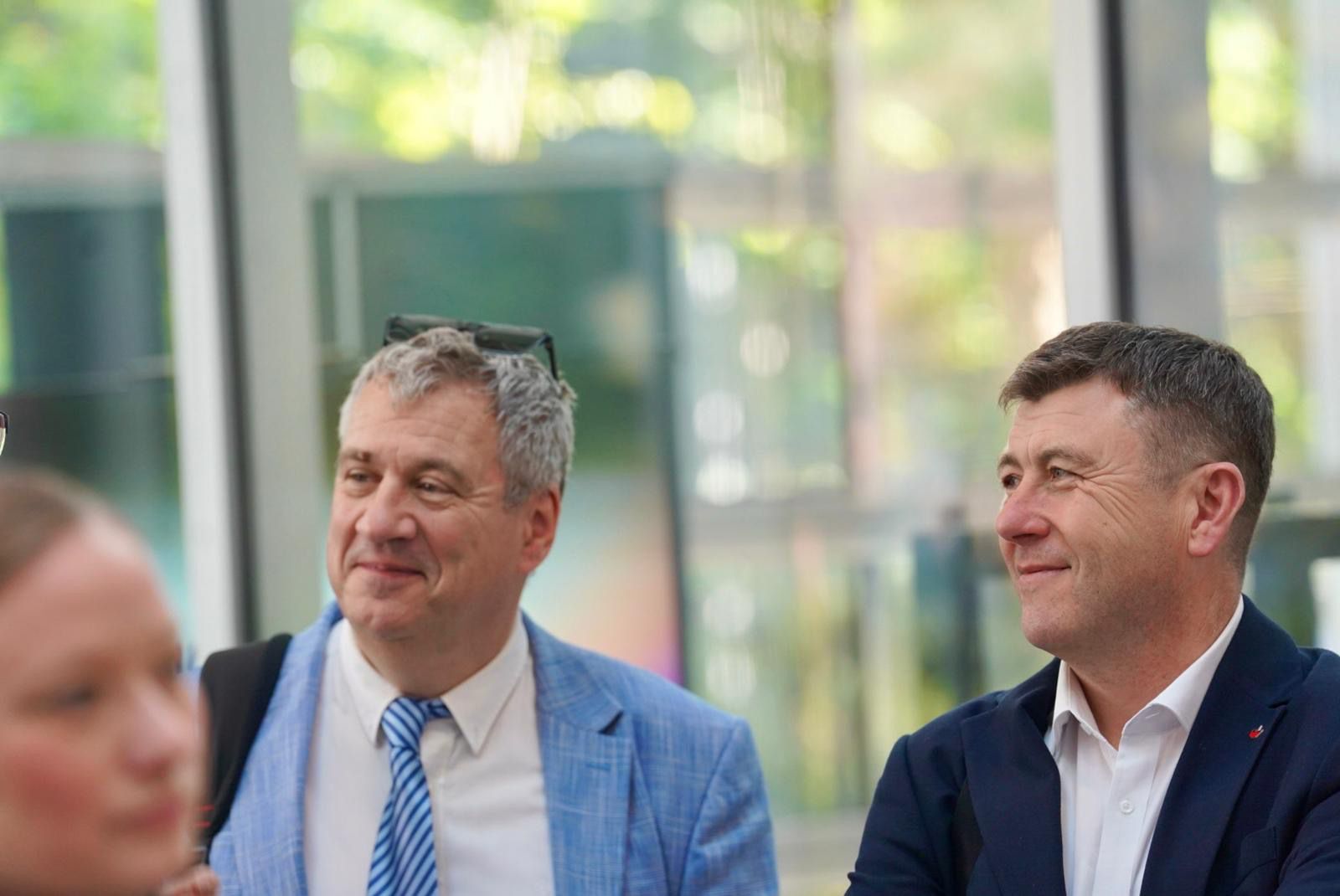
As a member of the European Committee of the Regions (CoR) and an active rapporteur in the ENVE Commission, I joined a small delegation today at the European New Power Summit — part of Arnhem Electricity Week 2026 at Cleantech Park Arnhem. I am not here as a spectator. I am here to work: to take notes, to meet partners, and to prepare amendments for ongoing ENVE reports so that the rules being written in Brussels today will work for regions like ours.
What the CoR ENVE Delegation Is Doing
The ENVE Commission study visit brought together regional elected representatives from across the EU to engage with innovators, policymakers and energy experts at one of Europe’s most important energy transition events. Sessions covered battery storage, grid congestion, AI in energy systems and regulatory alignment across member states. The most important thread running through all of it was this: the rules being shaped now will determine whether the benefits of the energy transition flow to large cities and industrial players, or whether they also reach small rural communities like ours.
What We Are Asking Brussels to Do
In our region we have already shown that the green transition does not have to mean large industrial investment only. Small-scale, people-centred projects can bring electricity to isolated mountain households and reduce carbon emissions — if the application rules are simple enough for a small municipality to use.
For the next EU multiannual budget, we are calling for a dedicated, small-scale rural off-grid renewable energy instrument: a funding window for 10–50 household solar, heat pump and storage projects, with minimal bureaucracy. LEADER and the Norwegian Grants already proved that community-led small-project support works. We are asking for the same approach in the energy transition.
Being a prosumer is a good start. But our goal is ownership. Not a few extra cents credited to a utility bill, but shared ownership, decision-making power and community control over the energy our homes and lands produce. That is what a regional Energy Cooperative can deliver: families, municipalities and small businesses as co-owners of their own power plant.
The Window Is 2026
Romania will receive approximately 60 billion euros in EU funds in the coming years, with a significant share directed at the energy transition. That money can go — again — entirely to the capital and large cities. Or it can come to rural regions like ours. To make that happen, the rules need to be shaped now, the presence in Brussels needs to be active now, and the work at home needs to start now.
For the past six months I have been submitting concrete proposals to the leadership of Harghita County Council. The 2026 window is the critical moment. The decisions made this year will define the next ten years of our communities’ economic prospects. Doing nothing is also a decision — and a very costly one.
How I Work: Arnhem and Home in Parallel
What I do in Arnhem today feeds directly into what I propose in Brussels and what I push for implementation at home. I take notes here, I build contacts, I prepare amendments to ENVE reports, and I bring back practical models that other rural regions across Romania and the EU can adopt too. Autonomy begins when a community can take care of itself. Europe is offering that opportunity now. The homework must be done.
Csaba Borboly, Member of the European Committee of the Regions, ENVE Commission rapporteur, Vice-President of Harghita County Council