If we don’t act now, others will decide how the resources are allocated
Why social innovation is Harghita County’s most important EU task in 2026 – and what I asked from the county president
April 30, 2026
Harghita County already has solutions that are cited as good practices by other regions in Europe. The only question is: can we turn this into capital in 2026 – before the EU’s next major funding cycle for 2028–2034 is finalized without our name on it?
What is social innovation, and why is it good for us?
Social innovation is not charity, nor is it a utopian theory. Simply put: it consists of solutions that provide sustainable, partly market-based responses to real social problems. Elderly care financed through revenue-generating equine therapy. A food hub that delivers local farmers’ products directly to consumers. A cooperative that helps disadvantaged communities stand on their own feet.
These models already exist in Harghita County. The equestrian center of the Kanthaka Association in Dârjiu finances 90% of its elderly day-care services from its own revenues. The Helyenvalo hub in Odorheiu Secuiesc collects local food products from 104 small producers – and the entire model has been documented as a European good practice within the Interreg SECON project.
“Supporting socially disadvantaged people, strengthening rural communities, and innovation are not mutually exclusive goals – on the contrary, they are right at the core of the EU’s funding priorities.”
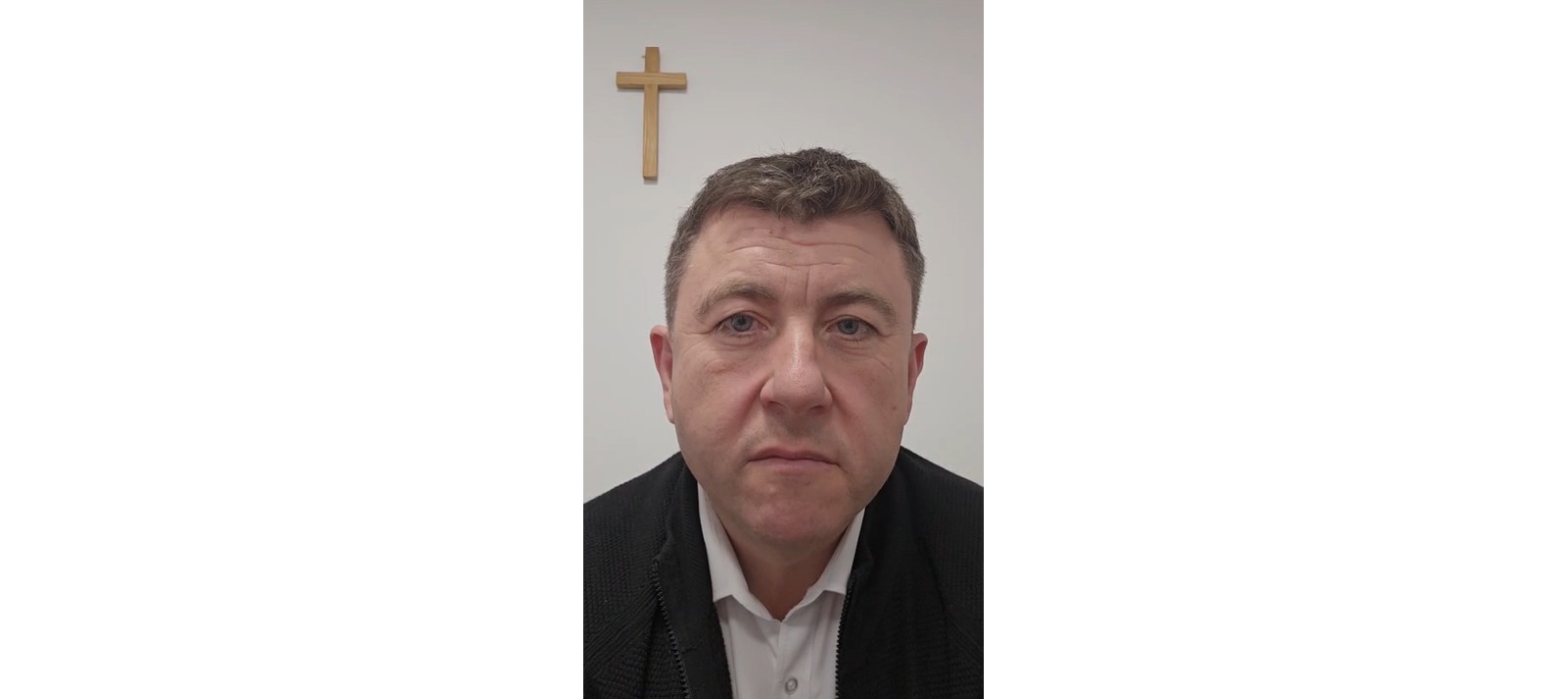
Borboly Csaba · Vice President, observer member of GECES
What opportunities are we talking about exactly?
The European Union will launch its next seven-year budget cycle in 2028. The social innovation framework of ESF+ (European Social Fund Plus) alone mobilizes nearly €200 million through transregional projects – and beyond that, tens of billions of euros flow into member states through National and Regional Partnership Plans. Those who take part in the negotiations now can influence what these funds will be used for and who will benefit from them.
GECES – and why it matters that we are part of it
GECES (Commission Expert Group on Social Economy and Social Enterprises) is the European Commission’s expert group on the social economy. Its members include government representatives, European umbrella organizations, and civil actors – a total of 44 representatives from member states and organizations. As an observer member of the Committee of the Regions (CoR), I represent the local and regional level in this body.
This is not a ceremonial position. GECES recommendations are integrated into the European Commission’s policy documents, into the revision of the Social Economy Action Plan, and ultimately into the programming of the next MFF. What we represent there determines the conditions under which funding calls will be launched from 2028 onward.
Within the mid-term review of the next SEAP (Social Economy Action Plan), I am actively working to ensure that social innovation is not treated as a marginal program element, but is integrated as a horizontal approach into funding frameworks – including Romania’s Partnership Plan.
What did I ask from the president – and why now?
I submitted a proposal to President Bíró Barna Botond, requesting the necessary institutional mandate and the establishment of a Social Innovation Working Group. The proposal seeks delegation of authority in five areas:
Task 1
Establishing the working group
Launching coordinated work on behalf of the county with external partners – Civitas Foundation, Kanthaka Association, ADI Rural, Sapientia EMTE, Romania’s NCC.
Task 2
Strengthening GECES representation
Ensuring institutional backing from the Harghita County Council for the work carried out in GECES and CoR – increasing the credibility of representing the regional dimension.
Task 3
Establishing the Harghita Social Innovation Award
An annual recognition for local social innovation initiatives – identifying replicable solutions, raising awareness, and providing EU-level visibility for the winners.
Task 4
MFF positioning
Preparing a position paper by the end of 2026 to ensure Harghita County’s interests are included in the social innovation chapter of Romania’s Partnership Plan.
Task 5
Scaling good practices
Submitting the Helyenvalo and Kanthaka models to the EU Social Innovation Match platform; adapting proven solutions from other regions to Harghita’s context.
What will we miss if we don’t act now?
The negotiations for the MFF 2028–2034 will be decided in 2026–2027. The content of the social innovation chapter in Romania’s Partnership Plan will be finalized during this period. If the county does not take part in these processes now, then:
The 2028 funding calls will start without well-prepared Harghita-based projects. The partnership plan will reflect the priorities of others. ESF+ transnational funds will be won by other regions. And the advantage represented by Harghita’s already EU-recognized good practices will be lost.
“From 2027 onwards, the implementation phase begins – at that point, there is nothing left to influence, only to apply for what others have already put together.”
From the proposal · Borboly Csaba, April 2026