I have also signaled to the European Union: support for vulnerable families must reach the people
In recent times, many people have reported that the costs of energy and transportation have become unbearably high, while wages remain very low in comparison. This is especially true for families working for the minimum wage, for whom every bill represents a serious burden. This situation must change, and there are European resources available for this purpose that Romania should access and use to support people.
For many families in Harghita County and across Romania, the biggest concern today is not theoretical climate policy, but everyday living. Electricity bills, the price of gas, heating costs, or even transportation are all expenses that represent a serious monthly burden for a family living on the minimum wage. For many households, every winter brings uncertainty: whether they will be able to pay for heating, how they can reduce their energy costs, and how much will remain in the family budget for other essential expenses.
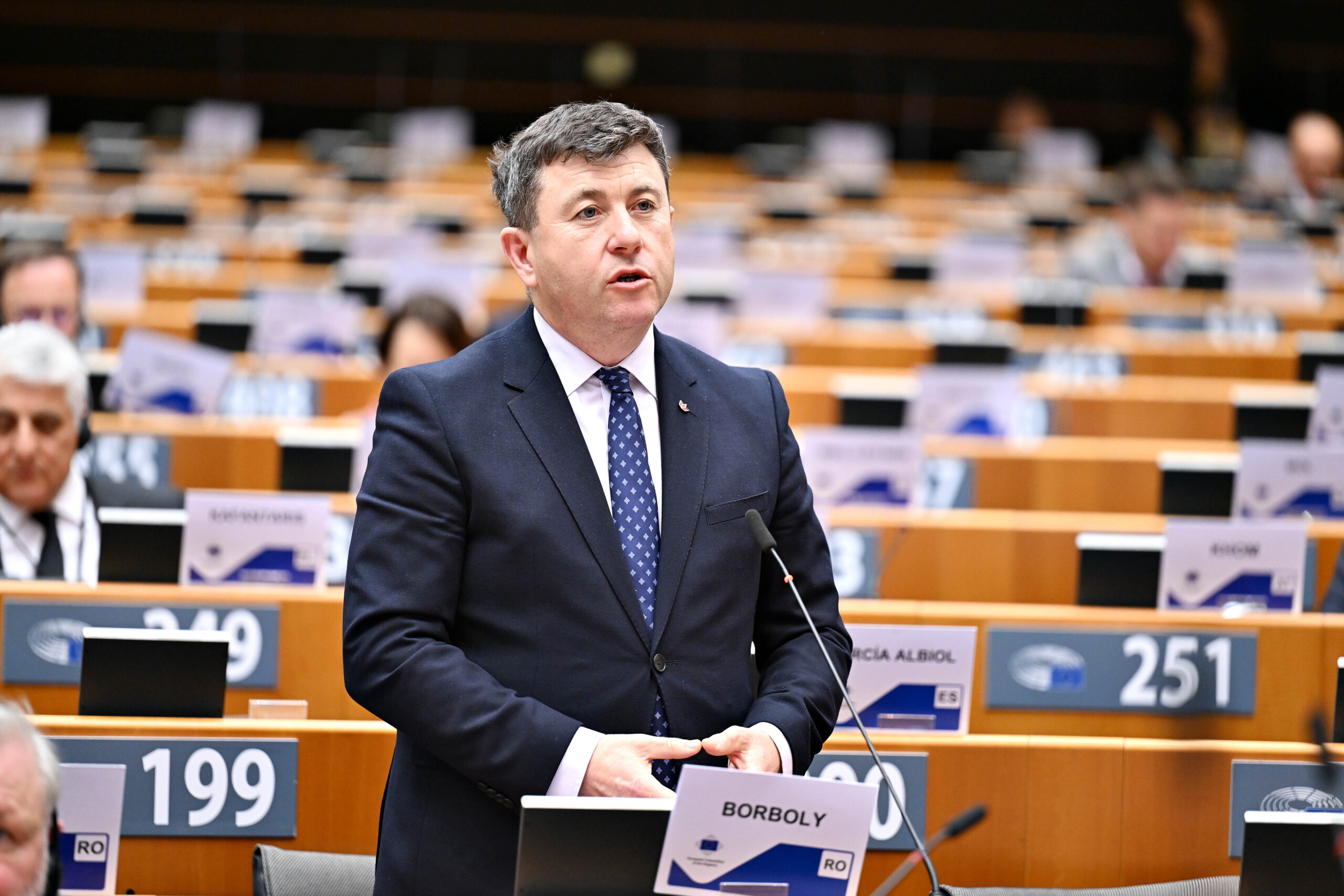
Belgium – Brussels – March 2026
© European Union / Emile Windal
That is why it is important that when we talk about European energy and climate policy, we do not speak only about objectives and strategies, but also about people’s everyday problems. The green transition can only be successful if it is also fair and if it provides real support to those for whom energy costs represent the greatest burden.
The European Union has created the Social Climate Fund, whose purpose is precisely to support the most affected households. Romania could benefit from nearly €6 billion from this fund, resources that could be used to support vulnerable families. These funds could help reduce energy costs, support the modernization of homes, finance energy efficiency investments, or develop transportation solutions that are more affordable for citizens.
The reality, however, is that these opportunities have not yet reached those who need them the most. That is why I have also raised this issue at the level of the European Union, emphasizing that these resources must serve people in need and must not remain unused.
For me, this is a priority. This is the objective I have set: to ensure that these opportunities become real support for families. Together with my team, we are working to ensure that these resources truly reach those who need them the most. The green transition must not mean additional burdens for poor families.
At the same time, I considered it important that the perspective of the European Committee of the Regions be present in shaping European energy and climate policies. Therefore, I asked the institution to actively follow and monitor the revision of the Regulation on the Governance of the Energy Union and to ensure that the voice of regions is represented in this process.
I am convinced that the current revision represents a key opportunity to ensure that the governance system of European energy and climate policies better reflects the role of local and regional authorities. The green transition is largely implemented in regions and local communities. Energy efficiency programmes, the development of local infrastructure, the modernization of district heating systems, the deployment of renewable energy sources, and the involvement of citizens are all areas in which regional and local actors play a key role.
Therefore, it is important that the system of National Energy and Climate Plans (NECPs) in the future rely more strongly on the principle of multilevel governance. The structured involvement of regions and local authorities in the preparation, implementation and monitoring of these plans could significantly improve the effectiveness of public policies and territorial balance.
Special attention must also be given to rural, mountainous and sparsely populated regions. These areas often face higher infrastructure costs, an increased risk of energy poverty and limited network access. At the same time, they play a key role in preserving biodiversity, maintaining ecosystem services and harnessing renewable energy resources.
During the consultation, I also emphasized that in the future greater attention should be given to territorial vulnerability analyses, particularly in addressing energy poverty. The experience gained during the preparation of the Social Climate Plan clearly shows that social and energy challenges have a strong territorial dimension.
I also believe that energy and climate policy planning should better integrate climate adaptation and resilience aspects, particularly in sensitive areas such as mountainous regions or river basins.
In the coming weeks, I intend to continue this professional dialogue within the Committee of the Regions as well. The topic will likely be revisited in April during the meeting of the ENVE Commission, where we will have the opportunity to discuss in more detail how we can strengthen the regional dimension in the governance of the Energy Union.
I believe that the European green transition can truly succeed only if it is ambitious, socially fair, and takes into account the specific circumstances of different regions. In this process, the role of regions and local communities is indispensable