We need to speak up now so that in 4–5 years there will be real change: consultation on the renewed EU Disability Strategy
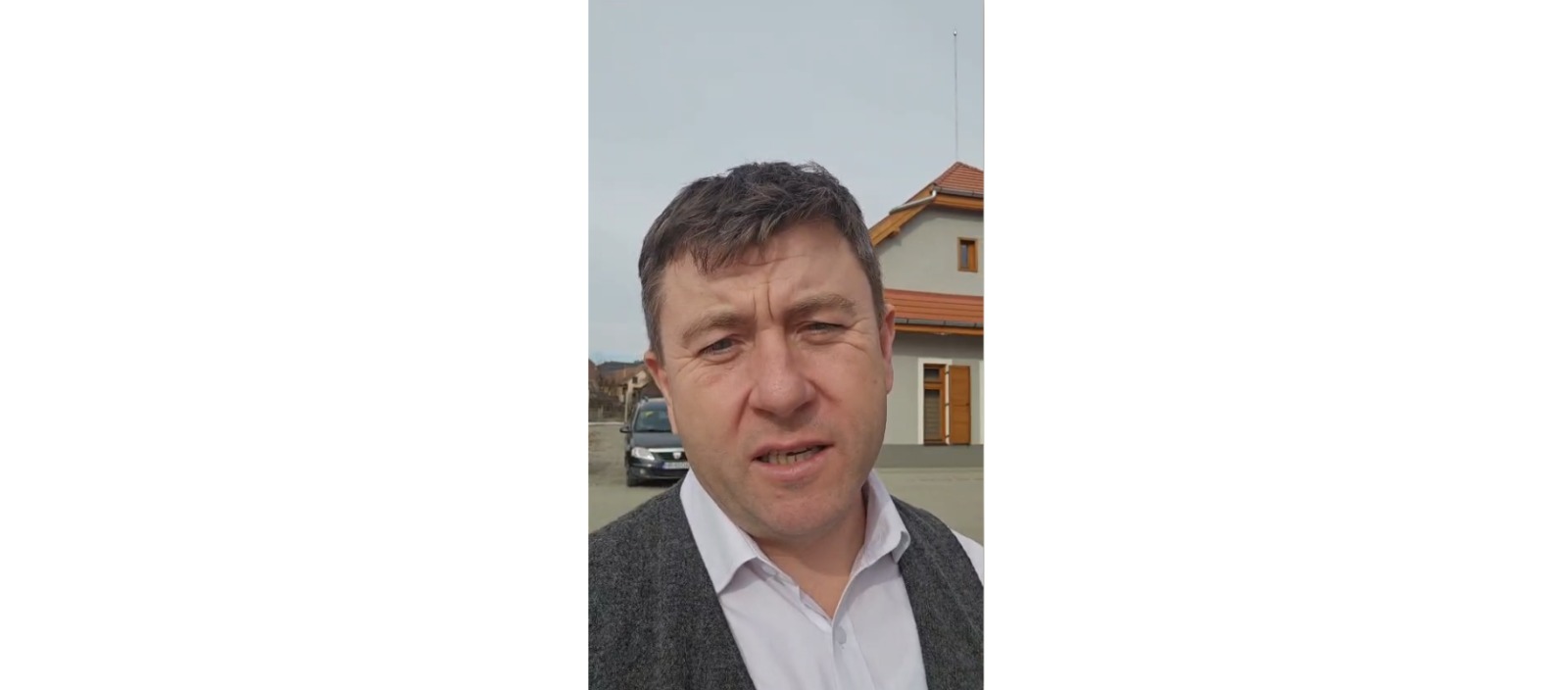
In Romania, the debates of recent weeks have intensified social tensions around the benefits and disability certificates of persons with disabilities. Filtering out abuses is justified, but the solution cannot be the deprivation of rights: the real challenge is respect for dignity, a change in mindset, and the lack of accessibility. That is why, as Second Vice-Chair of SEDEC and Vice President of the Harghita County Council, I have launched a consultation so that local experiences can be included in EU decision-making not as theory, but as reality.
Why now? The EU will strengthen the strategy in 2026
In 2021, the European Commission adopted the EU Strategy for the Rights of Persons with Disabilities (2021–2030). At the mid-term point, the Commission is preparing a new Communication in 2026 to reinforce the strategy, and it launched a public consultation in November 2025 with a deadline in February 2026.
The lesson is simple: what is being planned in Brussels today will become rules, expectations and funding conditions in the coming years. If we do not present local reality today, tomorrow we will only be able to adapt.
Why does the Committee of the Regions matter?
The Committee of the Regions (CoR) is not a parliament, but it has an official consultative role in EU law-making: the European Commission, the Council and the European Parliament must seek the CoR’s opinion in many policy areas (health, education, social policy, employment, etc.). Based on the proposals received, the CoR drafts opinions and forwards them to EU institutions.
The SEDEC commission (social policy, employment, education, research and culture) is precisely the forum where several key disability-related policy areas are on the agenda.
Public debate in Romania: system clean-up yes, deprivation of rights no
In Romania’s public discourse, justified outrage and uncertainty are present at the same time. Government representatives have stated that disability certificates will be reviewed and that the benefits system would be handled more strictly and in a more targeted way.
At the same time, it is clear that the challenges faced by persons with disabilities are not the same as the question of “benefits”. True equal opportunities depend on accessibility, attitudes, and the conditions for independent living.
Cristuru Secuiesc: the biggest barrier is often mindset
Today, at the Disability Centre in Cristuru Secuiesc, local experience confirmed that beyond physical barriers, mental barriers—lack of acceptance and the absence of a natural inclusive attitude—often make everyday life the most difficult for those concerned.
The purpose and pathway of the consultation: where will the proposals go?
We launched this consultation so that the experiences of organisations, professionals and affected persons in Harghita County can be integrated into the preparation of the EU strategy’s 2026 reinforcement, and do not remain only at local level.
The proposals received will:
· be compiled and used in our contribution to the Commission’s public consultation (deadline: February 2026),
· and be brought onto the SEDEC agenda, so that the regions’ perspectives appear in the EU policy agenda and in the CoR’s opinions.
Key messages: accessibility, training, independent living
The shared message of local feedback is clear: accessibility is not an extra request, but a basic requirement—both physically and digitally. Accordingly, we advocate the following directions:
· EU funding only for truly accessible investments (based on unified, mandatory physical and digital standards),
· inclusive training for teachers and healthcare professionals as a fundamental requirement,
· strengthening supported living and respite services,
· reasonable accommodation in the labour market, so that those concerned can think in terms of opportunities, not welfare logic.
12 February 2026.