The EU Strategy Only Has Value If It Reaches Local Communities
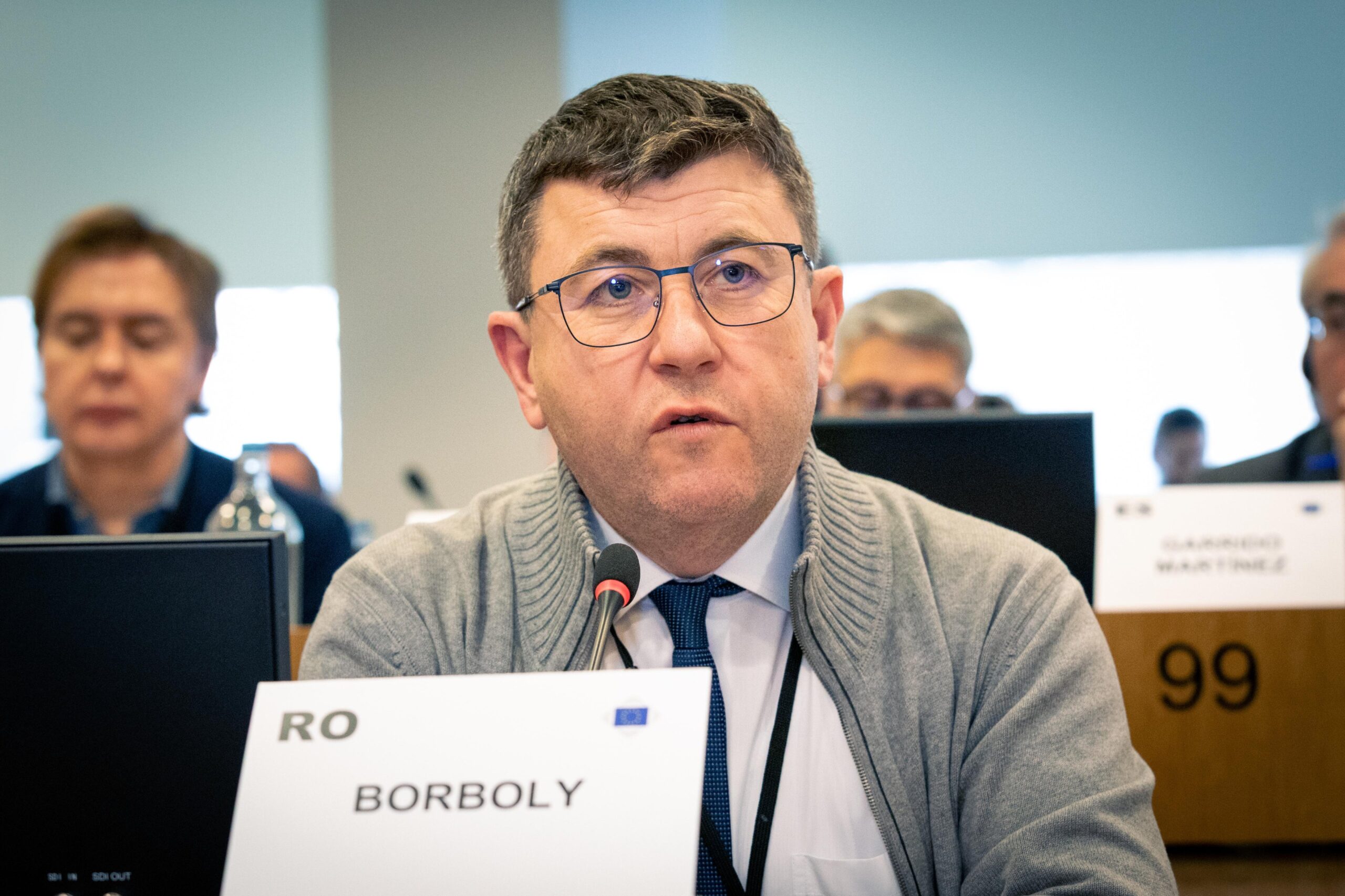
I took part in European Union-level consultations on the EU’s strategic approach to the Black Sea region. In my intervention, I made it clear that this strategy can only be effective if it does not focus exclusively on coastal and central areas, but also extends to internal, rural, and mountainous regions.
As a representative of Romania, I emphasized that the principle of “leaving no one behind” must be applied in practice as well. In this spirit, I supported and strengthened through amendments the proposal that the approach to the Black Sea region become a fully-fledged EU strategy, with clearly defined objectives, measurable indicators, and a dedicated budgetary framework for the 2028–2035 EU financial period.
In my remarks, I also pointed out that equal treatment does not automatically mean equal opportunities. Peripheral, rural, mountainous, and poorly connected regions remain disadvantaged in the absence of targeted support measures. This is precisely why I consider it essential to clearly enshrine territorial differentiation within the EU strategy.
Only in this way can it be ensured that EU development funds are not directed exclusively toward large cities and central areas, but genuinely reach local authorities, businesses, and families in internal regions.
I placed particular emphasis on the importance of a socially just climate transition. I am convinced that environmental and climate policies can only be successful and broadly accepted if villages, small local authorities, and vulnerable households do not bear a disproportionate share of the transition’s costs. The green transition must be accompanied by financial support, compensation mechanisms, and locally tailored solutions.
Referring to the broader context of the European Neighbourhood Policy, I stressed that beyond geopolitical considerations, it is essential to take into account the everyday realities of communities in the region. The European Union should therefore mobilize additional financial instruments and open new funding opportunities for regions where this is justified.
I am convinced that in politics it is not enough to simply list what is wrong. Our task is to identify solutions that can deliver real progress and to advocate for them consistently. In this sense, the European Union is a tool whose value is proven only when it delivers tangible results for local communities.