AgoraEU Debate Day in the SEDEC Commission – Reporting from Brussels
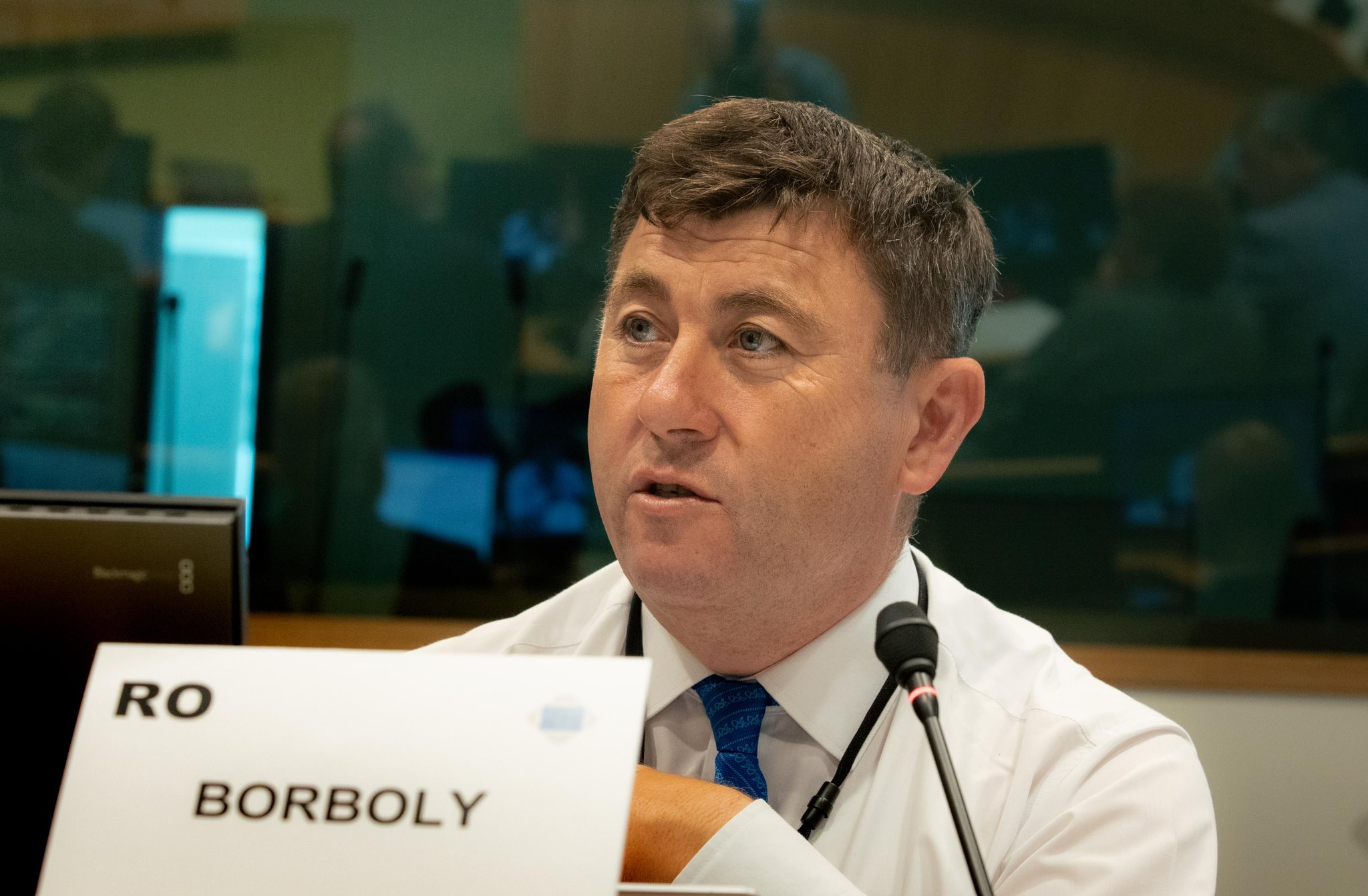
On 28 November 2025, the debate day of the SEDEC Commission of the European Committee of the Regions took place in Brussels, where I presented my working document on the AgoraEU programme.
AgoraEU will be one of the most important new integrated programmes of the 2028–2034 EU period, bringing together the fields of culture, media, civil society and democratic participation.
My presentation as rapporteur was short but highly focused: I stressed that while AgoraEU is a solid foundation, six key elements must be added to ensure that it truly reaches the regions—especially smaller, underfunded areas.
The essence of the programme and the adoption process
The goals of AgoraEU:
- reducing administrative burdens,
- eliminating overlaps between sectors,
- strengthening regional involvement,
- providing more direct support for youth, cultural and civil society actors.
The programme’s total budget is EUR 8.6 billion within a Multiannual Financial Framework exceeding EUR 2 trillion.
Negotiations will take place between 2025 and 2026, with a political agreement expected by the end of 2026, and the launch scheduled for 1 January 2028.
My responses to the contributions of senior representatives of the three European Commission Directorates-General
Three Directorates-General responsible for the main areas took part at senior level:
- DG EAC – Education, Youth, Sport and Culture
- DG CNECT – Communications Networks, Content and Technology
- DG JUST – Justice and Consumers
Each raised important points, to which I provided detailed professional responses.
Response to DG EAC
They noted that new cultural and creative trends often emerge from young groups that are not institutionalised and easily fall outside the reach of major programmes.
In response, I emphasised that the MediaSpark module in my working document was designed precisely to address this challenge.
Its goals:
- involving young content creators,
- supporting digital workshops,
- ensuring a low entry threshold,
- enabling cultural innovation in rural and less visible regions.
Response to DG CNECT
They pointed out that some elements of AgoraEU might partially overlap with other EU funding systems, such as cohesion or social policy.
I highlighted in reply:
The proposed Youth Sync and RegioConnect modules ensure exactly this interoperability.
They do not create parallel structures; instead, they establish coherent, mutually reinforcing links between different programmes.
This is essential for territorial impact and for the practical application of subsidiarity.
Response to DG JUST
They stressed that local, bottom-up initiatives can only succeed if the programme is built on territorial logic and provides real access to microgrants.
I responded that the Territorial Impact MicroGrants included in my working document address precisely this need.
Small, flexible grants are essential to ensure that:
- small municipalities,
- civil organisations,
- cultural groups
can gain real access to AgoraEU.
My responses to members of the Committee of the Regions – in summary
Several members of the commission made supportive remarks, particularly regarding:
- the importance of small organisations and villages,
- the role of territorial clusters,
- the need for regulatory flexibility,
- the regional embeddedness of Europe’s cultural diversity.
In response I summarised:
The success of AgoraEU depends on whether the support logic truly reaches local levels.
My six proposals provide the tools for this:
Youth Sync, RegioConnect, MediaSpark, MicroGrants, clarification of faith-based actors, Green Citizenship Tool.
What does all this mean for Harghita County and other European regions?
AgoraEU provides a framework that:
- offers direct Brussels-level funding opportunities for cultural, civil and youth-focused organisations,
- ensures easier access for small municipalities,
- supports creative industries, heritage protection and community innovation,
- strengthens local democracy and civic participation,
- and enables regions—including Harghita County—to actively shape the European cultural space.
The programme supports all areas that preserve cultural diversity, host young creative communities, or have simply had limited access to funding until now.
Conclusion
Today’s SEDEC debate day made it clear that AgoraEU:
- is a real opportunity for Europe’s underfunded regions,
- strengthens cultural and democratic participation,
- and has the potential to bring the EU closer to its citizens.
In the coming weeks I will continue working to ensure that the Committee of the Regions’ proposals are incorporated into the negotiation materials of the European Parliament and the Council—so that Harghita County and other European regions can become true beneficiaries of this new programme.
Brussels, 28 November 2025